
Get Healthy!
- Posted March 3, 2026
How to Get Ready For Daylight Saving Time
You love it -- or loathe it.
Either way, the clocks jump forward one hour Sunday morning for the start of Daylight Saving Time, providing an extra hour of evening light through Nov. 1. That means one hour less sleep this weekend.
Resetting your body’s internal clock for these seasonal changes can be challenging for folks who have trouble falling asleep.
That’s why Dr. Sudha Tallavajhula, a sleep medicine physician in Houston, recommends some immediate adjustments in your sleep-wake routine.
"There is strong evidence that sleep deprivation around Daylight Saving Time can have negative health effects," she said in a UT Health Houston news release. "If possible, move back your natural sleep cycle by 15 minutes each day."
Adjusting even one or two days this week will help, Tallavajhula said.
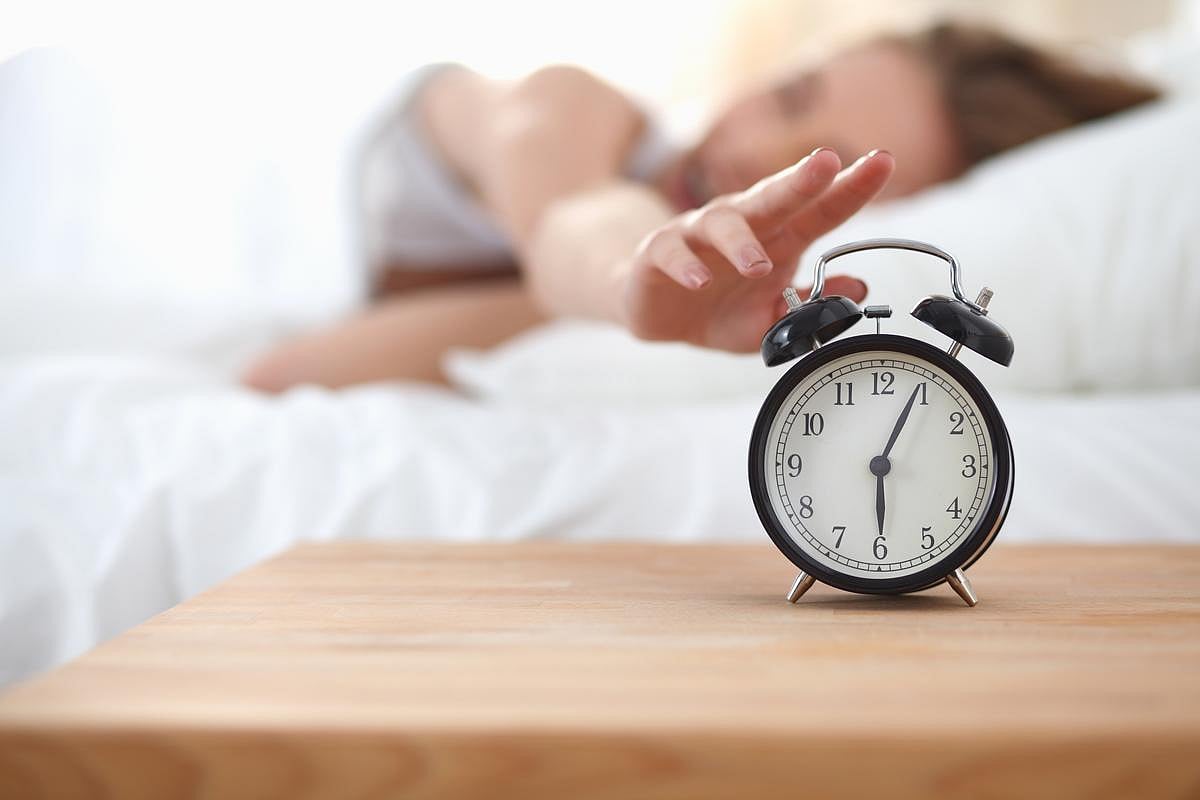
Set your alarm 15 minutes earlier every day and open the curtains to get exposure to sunlight. It’s "the most effective gatekeeper for our circadian rhythms," she said.
You can also pop a low-dose of melatonin -- 3 to 5 milligrams -- if you need a little more help.
Most adults need seven to nine hours of shuteye every night; teens, eight to 10 hours; younger school-age kids, nine to 12 hours; and preschoolers, 10 to 13, Tallavajhula said.
"The single most important thing that you can do for your sleep is to follow a consistent schedule, within practical limitations," she said.
Starting about eight hours before bedtime, stay away from caffeine. Avoid eating a lot, alcohol and heavy exercise for about three hours before bed, she recommended.
And keep the room quiet, dark and cool. Then let nature take its course.
"It is counterproductive to worry about sleep," Tallavajhula said. "Maintaining a structured lifestyle as best as possible is likely the best long-term solution for healthy sleeping habits."
The seasonal time change is a perennial source of debate.
Two states -- Arizona and Hawaii -- have Standard Time year round.
Many other states seek a permanent switch to Daylight Saving Time, but that requires federal approval. Accidents rise by about 6% in the week after Americans "spring forward" due to the loss of sleep.
In September, a Stanford University study said staying in Standard Time -- which prioritizes morning light over evening light -- is the most beneficial when it comes to health.
Researchers said permanent standard time could prevent more than 2.6 million cases of obesity and 300,000 strokes nationwide every year. But, they added, their findings were not conclusive enough to overshadow other important considerations, including safety, social goals and economics.
Don’t forget: Move your clocks forward one hour at 2 a.m. Sunday.
More information
There’s more about Daylight Saving Time and your health at Northwestern Medicine.
SOURCE: UTHealth, news release, March 2, 2026


